
Roofs Built to Handle Sierra Weather Extremes
Tile Roofing in Pollock Pines for properties exposed to heavy snow loads and temperature swings
Eernisser Roofing installs and repairs clay and concrete tile roofing systems designed to perform in Pollock Pines' challenging mountain climate. The elevation here creates conditions that stress roofing materials differently than valley installations, particularly when winter snow accumulates and spring thaw cycles begin. Tile roofing addresses these demands through weight distribution, thermal mass, and individual component replaceability that other materials cannot match.
The service covers full tile installations using either clay or concrete profiles, along with underlayment replacement that protects the roof deck from moisture infiltration during freeze-thaw cycles. Tile replacement and repair work focuses on maintaining the integrity of individual tiles that crack from impact or thermal stress, preventing localized leaks while preserving the overall system.
Schedule a property evaluation to assess your roof deck's capacity for tile installation.
What Proper Tile Installation Requires
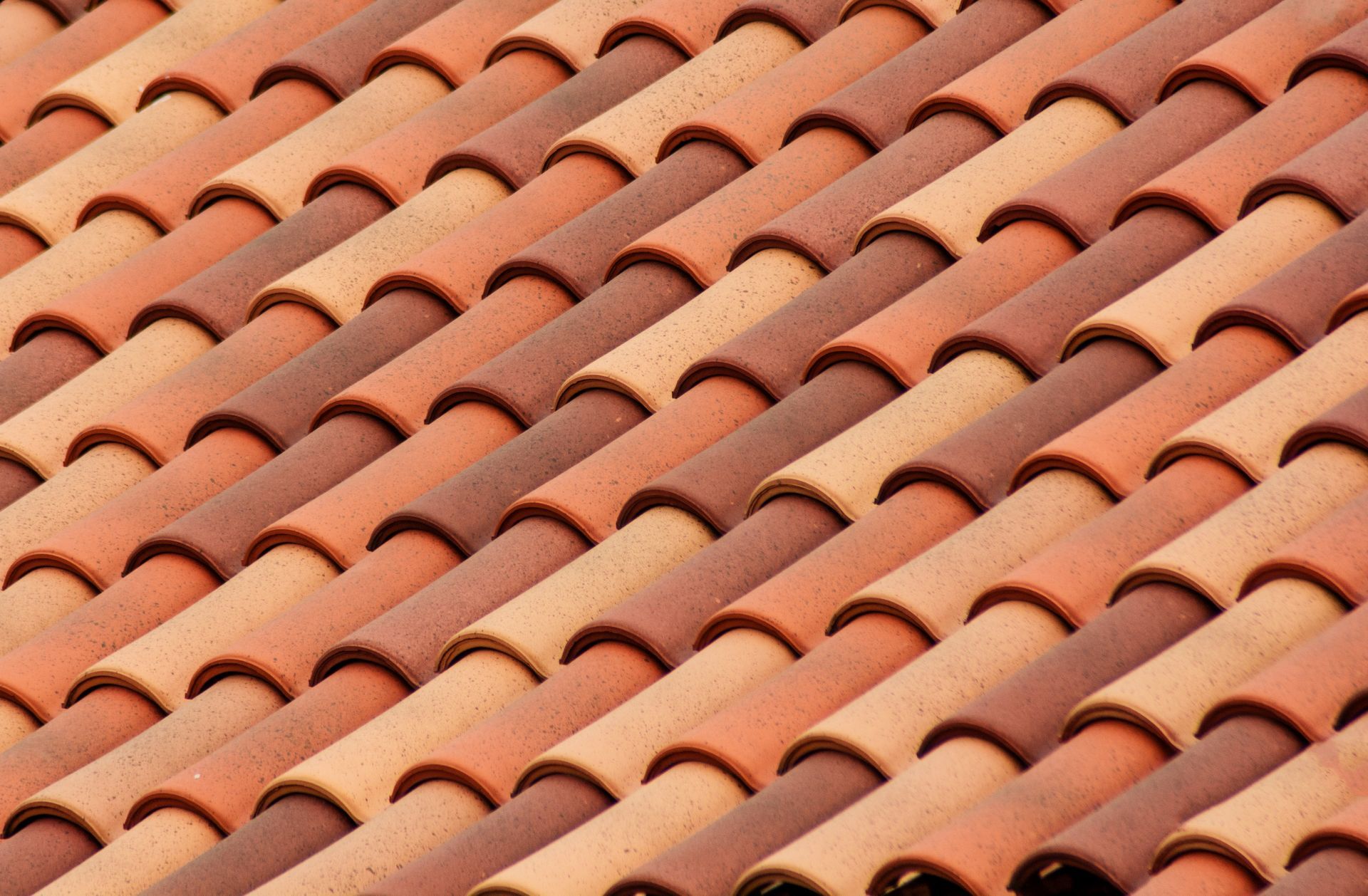
Tile roofing installation begins with verifying that your roof structure can support the additional weight—concrete tiles typically add 9 to 12 pounds per square foot compared to asphalt shingles. The underlayment layer goes down first, providing a secondary waterproof barrier that becomes critical when snow melt works beneath damaged tiles. Each tile then interlocks or overlaps according to the profile design, creating a system where individual pieces can be lifted and replaced without disturbing surrounding sections.
Once the installation is finished, you'll notice that temperature fluctuations inside your home become less pronounced throughout the day. The thermal mass of tile absorbs and releases heat slowly, which moderates attic temperatures and reduces the workload on your HVAC system. You'll also see that the roof's appearance remains consistent over decades, as tile does not fade or deteriorate visibly the way composite materials do after years of UV exposure.
Tile roofing in Pollock Pines requires attention to flashing details around chimneys and valleys where snow accumulation creates hydrostatic pressure during melt periods. Proper installation includes upgraded underlayment in these vulnerable zones and sealant application that remains flexible through temperature extremes. The system does not include removal of multiple roof layers if your deck already carries older materials—that requires separate tearoff work to meet structural load requirements.
What Property Owners Usually Ask
Tile roofing systems perform differently than the composition shingles common at lower elevations, and owners in Pollock Pines often want specifics about how these systems handle mountain conditions.
What differentiates clay tile from concrete tile in this climate?
Clay tiles resist freeze-thaw damage more effectively because they absorb less moisture, but concrete tiles cost significantly less and still outperform asphalt shingles in longevity. Your choice depends on budget and how long you plan to keep the property.
How does underlayment replacement work when only some tiles are damaged?
The damaged tiles lift off individually, allowing access to the underlayment beneath without disturbing surrounding areas. New underlayment patches in, and the tiles reset into their original positions or get replaced if they cracked during removal.
When should tile roofs be inspected in Pollock Pines?
Inspections should happen after heavy snow seasons and before winter arrives, since freeze-thaw cycles and snow load create the conditions most likely to crack tiles or compromise flashing seals.
Why do some tiles crack even when the roof installation was done correctly?
Thermal shock causes most tile cracks here—when snow sits on a cold tile and then bright sun hits it suddenly, the rapid temperature change creates stress fractures. This happens regardless of installation quality and is why individual tile replacement remains part of normal maintenance.
What preparation does the roof deck need before tile installation?
The deck must be evaluated for structural capacity, since tile weighs considerably more than existing materials. In many cases, additional bracing or rafter reinforcement happens before any tile goes up, particularly on older homes not originally built for tile loads.
Eernisser Roofing provides tile roofing services throughout Pollock Pines, with installations designed around the structural and weather demands specific to this elevation. Request a consultation to review your roof deck and discuss clay versus concrete tile options for your property.