Metal Systems That Outlast Traditional Roofing
Metal Roofing in Pollock Pines for new installations, replacements, and long-term durability
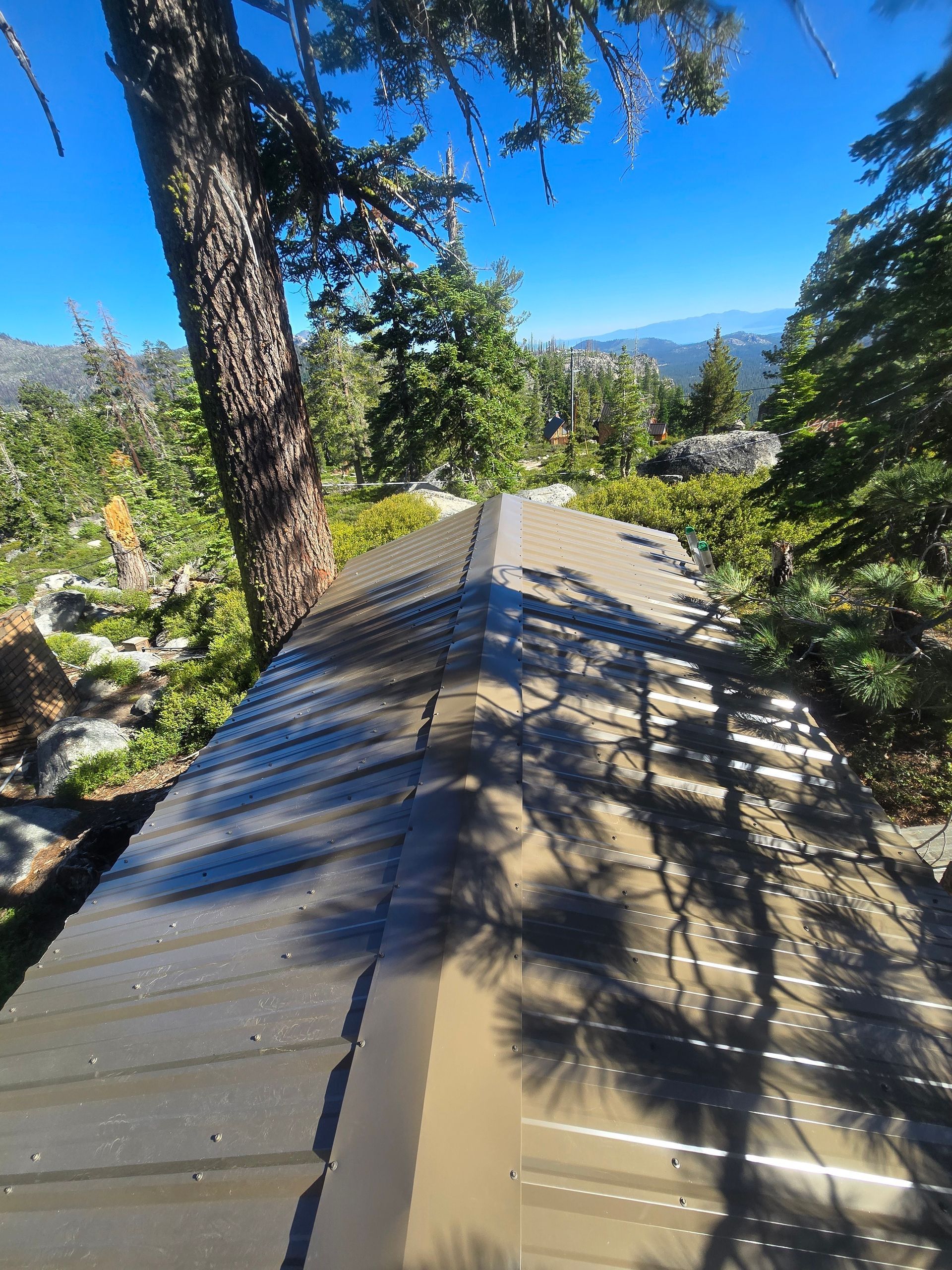
Metal roofing offers a lifespan two to three times longer than asphalt shingles and superior performance in snow shedding, fire resistance, and energy efficiency—factors that matter in mountain environments where roofs face heavy snow loads and wildfire risk. Standing seam systems, with their concealed fasteners and interlocking panels, provide the tightest weather seal and allow for thermal expansion without compromising the roof membrane. Exposed fastener systems cost less and install faster but require periodic fastener maintenance as washers compress over time. Eernisser Roofing installs both types on residential and commercial structures throughout Pollock Pines, with panel profiles chosen based on roof pitch, building style, and performance priorities.
Installation involves securing underlayment and then attaching metal panels that run from ridge to eave in continuous lengths, eliminating the horizontal seams where water can penetrate. Standing seam panels clip into place over fixed cleats, allowing the metal to expand and contract with temperature changes without stressing fasteners. Exposed fastener panels are screwed directly through the panel into purlins, with neoprene washers sealing each penetration.
Arrange a property consultation to evaluate roof pitch, review panel options, and discuss color choices that meet local building aesthetics.
Why Metal Roofs Perform Differently
Metal roofing reflects solar heat rather than absorbing it, reducing attic temperatures by 10 to 15 degrees in summer and lowering cooling costs—a benefit even at elevation where summer days reach the 80s and 90s. Snow slides off metal more readily than off textured shingles, reducing the load your roof structure must support during heavy snow years and preventing ice dams caused by freeze-thaw cycles at the eave line. The smooth surface also sheds pine needles and leaf debris that would otherwise accumulate in shingle texture and retain moisture.
After installation, your roof operates silently during rain despite the common assumption that metal is noisy—proper underlayment and insulation dampen sound effectively. You'll notice that moss and algae don't colonize metal surfaces the way they do on organic or composite materials, and that the finish holds its color for decades without the granule loss that ages asphalt shingles visibly. Metal roofing qualifies for lower insurance premiums in wildfire zones due to its Class A fire rating, and it's fully recyclable at end of life.
Panel repairs involve replacing individual damaged sections by removing fasteners or unclipping standing seam connections, sliding out the affected panel, and installing a new one—more involved than shingle repair but still feasible without disturbing the entire roof. Fastener maintenance on exposed fastener systems involves checking washer compression every few years and tightening or replacing fasteners that show rust or loosening, which prevents the slow leaks that develop when washers deteriorate.
Answers to Frequent Metal Roofing Questions
Metal roofing works differently than shingle systems, and understanding these differences helps you decide if it's the right material for your project.
How long does metal roofing last compared to shingles?
Metal roofs typically last 40 to 70 years depending on panel thickness and coating quality, compared to 20 to 30 years for asphalt shingles, making them a longer-term investment with lower lifetime cost.
What's the difference between standing seam and exposed fastener systems?
Standing seam panels interlock and clip to hidden fasteners, eliminating roof penetrations and allowing expansion, while exposed fastener panels are screwed directly through the metal with washers sealing each hole—simpler but requiring eventual fastener maintenance.
Does metal roofing work on low-pitch roofs?
Standing seam metal performs well on pitches as low as 2:12 when properly sealed, making it suitable for flat or nearly flat residential sections, while exposed fastener systems require steeper pitches to prevent water infiltration at fastener points.
Can you install metal roofing over existing shingles?
Yes, metal can often be installed over one layer of shingles using a batten system that creates ventilation space and provides a flat nailing surface, though removing old roofing allows inspection of decking condition.
How does metal roofing handle snow in Pollock Pines?
Metal sheds snow more effectively than shingles due to its smooth surface, which reduces structural load but requires consideration of where snow will slide—often necessitating snow guards above entryways or walkways to control release.
Eernisser Roofing matches metal panel profiles to your building's architectural style and roof slope, ensuring both performance and visual compatibility. Request a detailed estimate to compare metal options against other roofing materials for your specific structure.